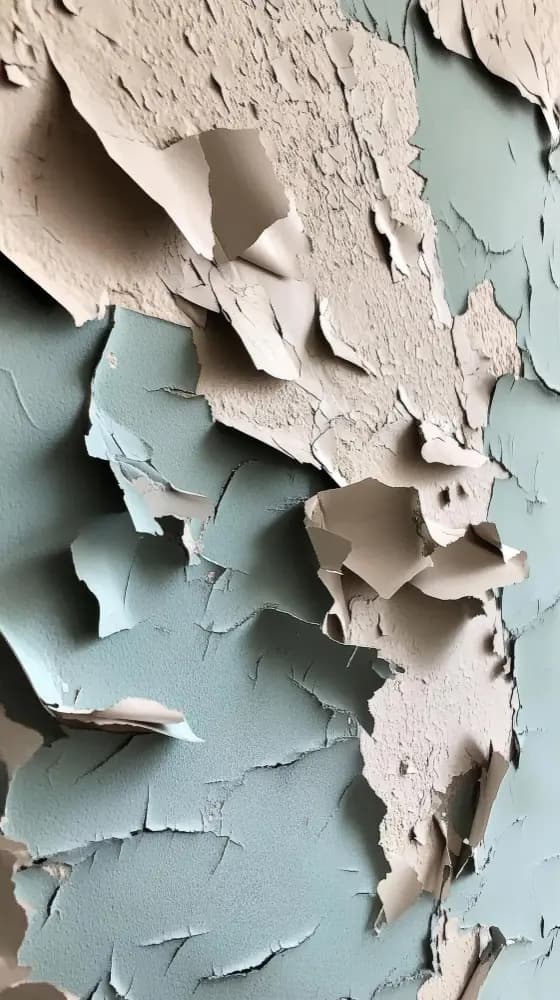
Why Does Paint Peel Even After Professional Painting?
When a brand-new house is being painted, the paint should be smooth and slippery, providing a long-lasting finish that keeps the house looking fresh for years. But, after what appeared to be a professional job, some homeowners are taken aback to find peeling paint a few months later. When this occurs, many people tend to think the paint is bad, but most of the time it is not just the paint to blame.
Knowing how to paint a house well isn't just about putting paint on walls and doors. Whether paint will adhere depends on moisture control, surface preparation, weather conditions, and product selection. If you are planning interior painting Melbourne or exterior painting Melbourne homeowners trust, knowing the causes of peeling can help you avoid costly repairs and money losses in the future.
Why Is Paint Flaking?
When the close bond between the paint film and the substrate is lost, the paint peels. The paint is not firmly attached and lifts off the wall, timber, render and so on. This may occur from excessive moisture collecting behind painted surfaces, dirt, grease or dust left over from preparation, unstable coatings already on wood, incorrect primers, poor weather during application, inadequate ventilation, or low-quality application techniques.
Peeling may occur gradually and may not be visible until later. Usually, it starts as small, superficial bubbles or hairline cracks, followed later by larger sections of the surface lifting up.
Is Peeling Caused by Moisture?
Yes. One of the top reasons for peeling paint is moisture. Walls can be infiltrated by water from leaking roofs, broken gutters, holes in the render, rising damp, and plumbing leaks, while indoor moisture from kitchens, bathrooms, and laundry facilities can build up behind painted surfaces. This buildup creates pressure as ambient conditions change, leading to an eventual loss of adhesion and peeling. It is especially prevalent in bathrooms, laundry rooms, exterior weatherboards, rendered walls, window frames, and timber fascias.
Before suggesting repairs, professional painters tend to determine the source of the moisture, because painting over the issue will not always resolve it. Applying an appropriate waterproof coating paint to surfaces like these, combined with proper waterproofing and ventilation, will further enhance protection.
Is It Possible That the Peeling Occurs as a Result of Poor Surface Preparation?
Absolutely. In professional painting, quality often depends on how well the surface is prepared before the paint is even applied, since preparation enables a strong mechanical and chemical bond between the paint and the surface. Preparation usually includes cleaning up dirt and contaminants, removing loose or peeling paint, sanding glossy finishes, sealing cracks and holes, applying a suitable primer, and allowing surfaces to dry completely. Neglecting any of this means the bonding won't hold, and it may fail within months.
Many people need to learn how to fix uneven paint and realise that peeling and uneven finishes can stem from the same problem: poor preparation before painting. Professionals take the time for surface preparation, as no matter what kind of paint is used, it will not cover up poor preparation.
Does Melbourne's Weather Impact Paint Adhesion?
Yes, and it has implications for both exterior and interior painting that many people don't consider. Melbourne is infamous for its unpredictable weather. Moisture or brief rain showers can cause a seemingly dry surface to get wet later in the day, and changes in temperature also affect paint curing. Professional Melbourne painters weigh up surface temperature, air temperature, relative humidity, wind conditions, rain forecasts, and direct sunlight before starting work.
Painting under unsuitable conditions can cause the paint to dry too rapidly, cure unevenly, or become water-logged underneath the coating. Even indoors, painting can be affected by poorly ventilated areas or ongoing interior moisture during colder weather. Painters plan their jobs in accordance with the Melbourne weather, rather than a calendar.
Professional Painters Avoid Peeling Paint
Professional painters have a process, and it's not about how quickly they can get the job done. They inspect surfaces for moisture problems, check moisture levels as needed, strip any coating that has failed, use the proper primers for each surface, apply high-quality paints following the manufacturer's instructions and recommended drying and curing times, and plan around Melbourne's weather. This systematic process ensures much better adhesion of the applied paint and a longer lifespan of the resulting paintwork.
Signs Your Paint May Soon Start Peeling
Larger repairs can be avoided when inexpensive repairs are conducted early. Look out for small paint bubbles, fine cracking, peeling or lifting paint around windows and doors, walls that feel soft or wet, discolouration after rainfall, and flaking close to toilets or kitchens. Early investigation of these signs often means fewer repairs are needed and further damage is avoided.
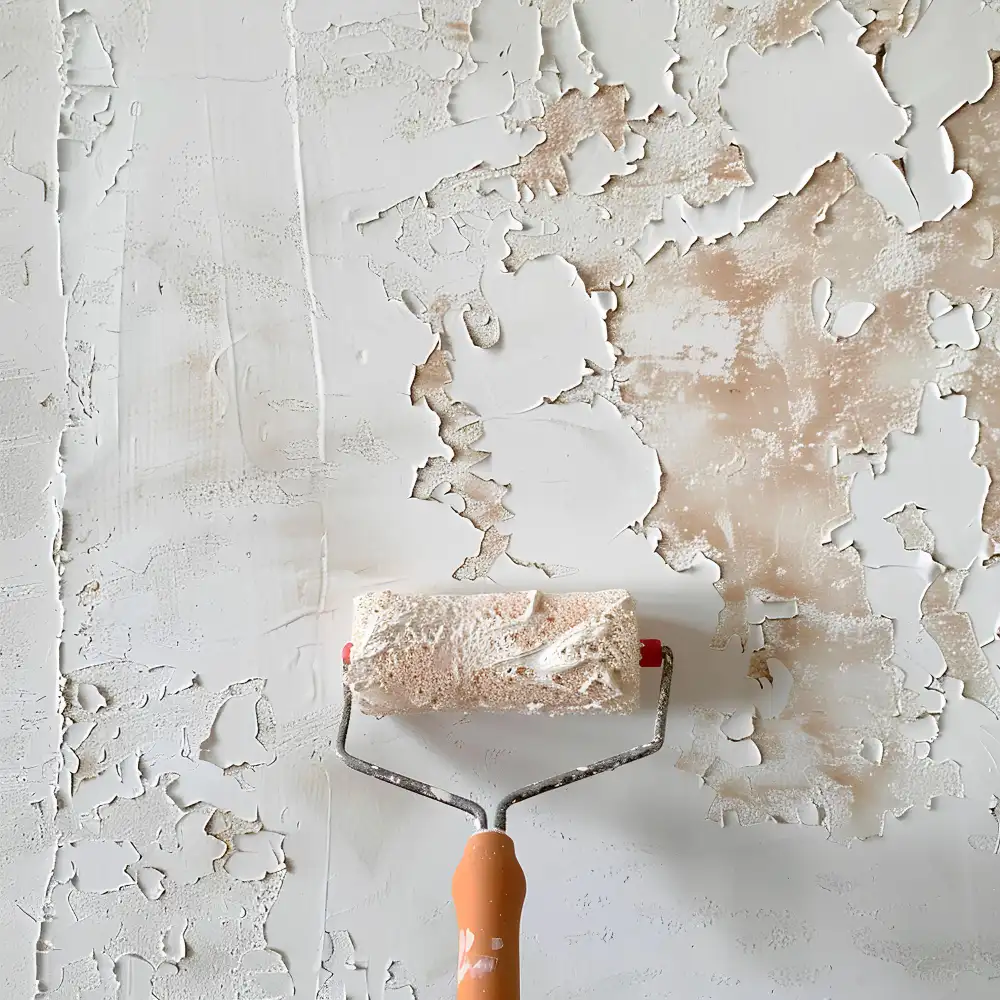
Is a Painted Wall Repairable Without Repainting?
Sometimes. The actual solution depends on the degree of peeling and its causes. Localised repairs may be possible if the damaged area is small, surrounding paint stays securely attached, moisture issues have been resolved, and the original paint can be matched. Total repainting may be recommended if a large part has been affected, several layers are peeling, a colour match isn't possible, or there is widespread surface degradation.
Why Choosing Experienced House Painters Matters
Painting is easy; it's the things that get troublesome months later that separate good work from bad. It all comes down to preparation, product selection, and application methods, which make the difference between a 5-year and a 15-year finish. Experienced house painters Melbourne homeowners rely on know how to work with local construction materials, Victoria's climate, and the coating systems available.
Good painters go beyond creating decorative walls; they protect your property from moisture, UV exposure, and everyday wear and tear. This attention to detail minimises maintenance costs and creates a house that will look its very best for years to come.
A Case Study: Solving a Melbourne Peeling Paint Problem
A homeowner contacted World Class Painting after noticing peeling paint in his living room just eight months after a renovation. He assumed the previous painter had used low-standard paint, but on inspection our team discovered moisture was slowly percolating through the exterior wall's plaster, and the over-painted surfaces underneath were also dirty and unsealed.
Rather than covering the areas with more paint, we addressed the water leakage first, then cleaned and primed all damaged areas before following our usual painting process with coatings suited to the Melbourne environment. The walls are exceedingly clean and smooth today, remaining properly bonded and free of peeling more than two years on.
This example shows that addressing the root of the problem gets better, longer-lasting results than simply treating the symptom.
Frequently Asked Questions
Find answers to our professional painting service. Learn about our process, pricing, and project details below.
Paint usually peels because of moisture, poor surface preparation, incompatible coatings or painting during unsuitable weather conditions rather than the paint itself.
Yes. Moisture trapped behind painted surfaces is one of the most common reasons paint loses adhesion and begins to peel.
Melbourne's changing temperatures, humidity and rainfall can affect paint curing and adhesion if painting is completed during unsuitable weather conditions.
Small areas can often be repaired if the underlying cause has been fixed. Extensive peeling or widespread failure usually requires repainting the affected surface.
If you're researching how to fix uneven paint, the solution depends on the cause. Uneven finishes are typically corrected by sanding the surface, preparing it properly, applying a suitable primer where needed, and repainting with even, consistent coats.
Waterproof coating paint helps protect moisture-prone areas, but it only works effectively when moisture sources have been repaired and surfaces have been properly prepared before application.
Final Thoughts
In most cases, peeling paint is a symptom of multiple problems. Moisture intrusion, lack of preparation, unsuitable weather conditions, and the use of the wrong products, sometimes confused with the difference between painting and coating, are all causes of paint failure. The best chance of avoiding peeling paint comes from proper preparation and skilled painting, whether you're painting interiors or exteriors in Melbourne.
Early signs of peeling can appear well before the damage spreads, so don't just paint over the peeling skin. If you identify the root cause and fix it, you'll achieve a permanent solution and prevent further damage to your home's exterior and interior features.

Marcus Langley
Lead Color Consultant & Senior Painter
Marcus Langley is a certified painter and color consultant with 14 years of experience transforming homes and businesses across Melbourne. He specializes in interior work, exterior coatings, and decorative finishes, and loves helping homeowners find the perfect color for every space.