What’s the Difference Between Painting and Coating?
Many people use the terms interchangeably. However, painting and coating are not the same. Each serves a different purpose in construction and maintenance.
Homeowners often ask about coating vs painting when planning renovations. The confusion usually comes from appearance. Both involve applying a layer to a surface.
If you plan to refresh your property, consider professional services like Exterior Painting Melbourne or Interior Painting Melbourne. Experts follow a structured house painting process that ensures long-lasting results. In Melbourne, property owners often explore protective solutions like Waterproof Coats Melbourne. These services go beyond standard paint and coating applications. Understanding the difference between painting and coating helps you choose the right solution.
This guide explains how each method works. It also breaks down performance, durability, and best use cases.
What Is Painting?
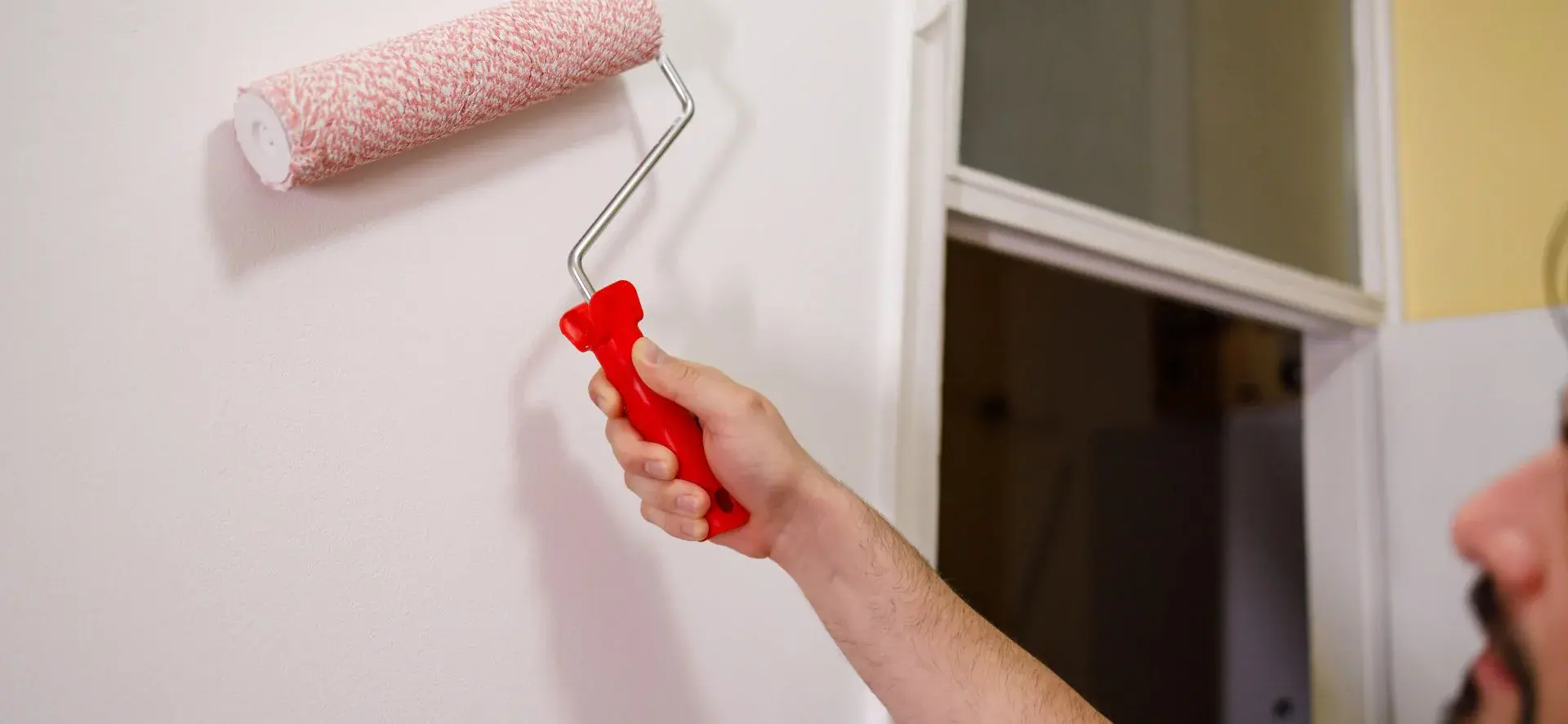
Painting focuses mainly on aesthetics. It enhances colour, style, and visual appeal. The process usually involves primers and decorative topcoats.
Traditional painting and coating systems differ in purpose. Paint improves appearance first. Protection remains secondary in most residential projects.
When people compare coating vs painting, paint often wins for interior upgrades. It refreshes walls, ceilings, trims, and façades.
Repairs and Sanding
Next, the team fills cracks and holes with suitable filler. They sand rough patches to create a smooth base. On timber surfaces, they remove loose or flaking paint.
Repairs strengthen the entire house painting process. Smooth surfaces ensure a professional finish.
Key Features of Paint
Paint contains pigments, binders, solvents, and additives. These ingredients create colour and finish.
Most paint and coating products for homes use acrylic or water-based formulas. They dry quickly and emit low odours.
Standard residential painting and coating projects aim for smooth finishes. They focus on even coverage and clean lines.
Where Painting Works Best
Painting suits interior walls, ceilings, doors, and trims. It also works well on rendered exteriors.
When discussing coating vs painting, painting remains ideal for cosmetic updates. It suits homeowners who want a fresh look without heavy-duty protection.
What Is Coating?
Coating focuses primarily on protection. It shields surfaces from moisture, chemicals, and wear.
In many commercial settings, painting and coating deliver very different results. Coatings often outperform paint in durability.
When evaluating coating vs painting, coatings win in harsh environments. They resist corrosion, abrasion, and extreme weather.
Types of Coatings
Coatings include epoxy, polyurethane, elastomeric, and waterproof membranes. Each type serves a specific function.
Industrial paint and coating systems often include multi-layer protection. These systems create thicker barriers than standard paint.
Many advanced painting and coating products offer UV resistance and chemical protection. These features extend surface life.
Where Coating Works Best
Coatings suit roofs, basements, concrete floors, and external walls. They protect surfaces exposed to heavy moisture.
In the debate of coating vs painting, coatings perform better in high-traffic areas. They also handle water exposure more effectively.
Key Differences Between Painting and Coating
Understanding painting and coating helps avoid costly mistakes. Let’s break down the main differences.
1. Purpose
Painting enhances visual appeal. Coating strengthens protection.
When comparing coating vs painting, purpose becomes the main factor. Choose based on your surface needs.
2. Thickness
Paint layers remain thin and decorative. Coatings form thicker, protective barriers.
Many industrial paint and coating systems measure thickness in microns. Thicker layers offer stronger resistance.
3. Durability
Coatings last longer under stress. Paint performs well in low-impact areas.
In long-term painting and coating comparisons, coatings often reduce maintenance costs.
4. Cost
Paint costs less upfront. Coatings require higher investment.
However, in the coating vs painting discussion, coatings may save money over time. They reduce repairs and repainting frequency.
Materials and Surface Compatibility
Different surfaces demand different solutions. Not every surface suits both painting and coating methods.
Timber walls respond well to paint. Concrete slabs often require specialised coating systems.
When choosing between paint and coating, consider exposure levels. Areas exposed to rain or chemicals benefit from coatings.
Professional assessments simplify the painting and coating decision. Experts test moisture levels and surface conditions first.
Performance in Melbourne Conditions
Melbourne’s climate varies widely. Melbourne experiences strong sun, heavy rain, and fluctuating temperatures.
In local conditions, painting and coating must withstand UV exposure and moisture. Coatings often provide stronger protection outdoors.
When reviewing coating vs painting, climate plays a major role. Exterior surfaces need more than colour.
Advanced paint and coating solutions now include UV stabilisers. These features extend lifespan under harsh sunlight.
Maintenance Requirements
Painted surfaces require periodic touch-ups. Scuffs and chips appear over time.
Coated surfaces demand less frequent maintenance. However, repairs may require specialised tools.
In long-term painting and coating maintenance, coatings often outperform paint. They resist stains and moisture better.
The coating vs painting comparison becomes clear in commercial spaces. Warehouses and car parks rely heavily on coatings.
Application Process Differences
Application methods also differ between painting and coating.
Painters usually apply paint with brushes, rollers, or spray systems. The focus remains on even coverage.
Coating application often involves multiple layers and curing stages. Installers may use trowels or heavy-duty spray equipment.
When comparing paint and coating, coatings demand stricter surface preparation. They require precise mixing and curing times.
In many painting and coating projects, surface preparation determines durability. Proper cleaning and priming remain essential.
When to Choose Painting
Choose painting when you want visual improvement. It suits living rooms, bedrooms, and office spaces.
In the coating vs painting decision, painting fits low-impact environments. It works best for decorative upgrades.
Residential paint and coating planning often begins with colour consultation. A fresh coat transforms interiors quickly.
When to Choose Coating
Choose coating when you need strong protection. Roofs, balconies, and concrete floors benefit greatly.
In serious weather exposure, painting and coating serve different goals. Coating provides stronger resistance.
When deciding on coating vs painting, consider water exposure first. Waterproof coatings protect against leaks and damage.
Advanced paint and coating systems for exteriors reduce cracking and peeling. They handle structural movement better.
Can You Combine Painting and Coating?
Yes, many projects combine painting and coating. For example, a home may use decorative paint indoors and protective coatings outside.
In some cases, coating acts as a base layer. Paint then adds aesthetic finish.
The coating vs painting debate does not always require one choice. Many properties benefit from both systems.
Professionals often recommend layered paint and coating strategies. This approach balances style and durability.
Final Thoughts
Understanding the difference between painting and coating helps you make informed decisions. Each serves a distinct role.
In simple terms, painting enhances appearance. Coating strengthens protection.
When comparing coating vs painting, focus on environment and surface needs. High-risk areas need stronger barriers.
Modern paint and coating technologies continue to evolve. They offer better durability and performance than ever before.
Before starting any project, assess your goals carefully. The right choice between painting and coating ensures long-term value and performance, and can even explain why paint peels even after professional painting when the wrong system is used.

Marcus Langley
Lead Color Consultant & Senior Painter
Marcus Langley is a certified painter and color consultant with 14 years of experience transforming homes and businesses across Melbourne. He specializes in interior work, exterior coatings, and decorative finishes, and loves helping homeowners find the perfect color for every space.