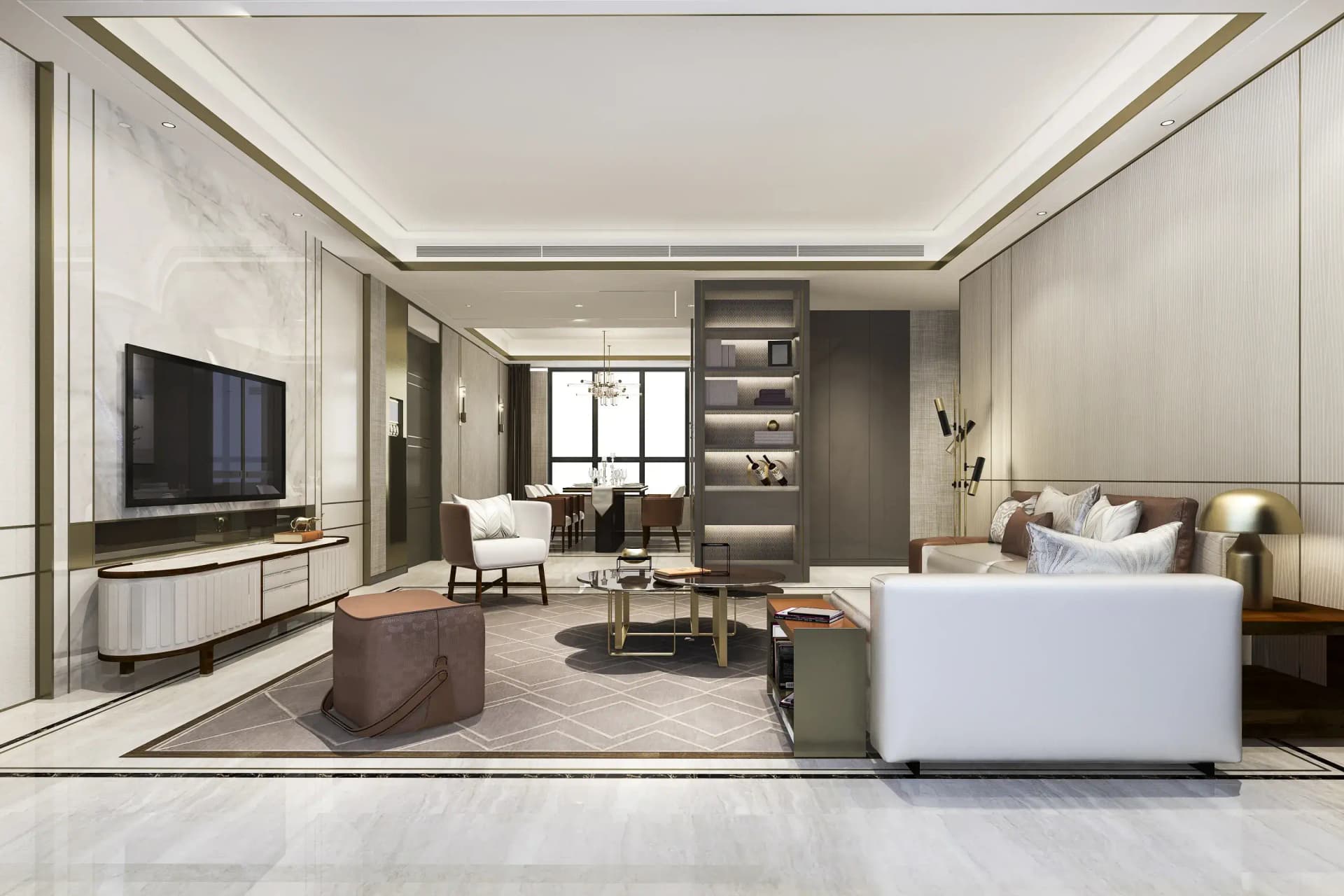
Interior Architecture vs Interior Design: What’s the Real Difference
When it comes to shaping our living spaces, the terms interior architecture and interior design are often used interchangeably. While both focus on enhancing interiors, they involve different approaches, skill sets, and outcomes. Understanding the distinction between the two is essential for homeowners, developers, and anyone looking to transform a property effectively.
Defining Interior Architecture and Interior Design
Interior architecture revolves around the structural and spatial aspects of a building. It’s concerned with how spaces are organized, how structures interact, and how functionality can be integrated seamlessly with aesthetics. Essentially, interior architecture focuses on the “bones” of a space, including walls, ceilings, floors, and built-in elements, while ensuring compliance with building codes and structural integrity.
Interior design, on the other hand, emphasizes the decoration, aesthetics, and comfort of a space. It deals with furniture placement, lighting, color palettes, textures, and overall style. While interior designers may consider structural elements, their primary focus is on creating visually appealing and functional spaces that suit the client’s lifestyle.
The distinction can be summarized by the phrase: architectural design vs interior design. Architectural design prioritizes structure and spatial planning, whereas interior design focuses on style, comfort, and personalization.
What Does an Interior Architect Do?
For homeowners or property developers considering a major renovation or new build, understanding what an interior architect does is crucial. Interior architects analyze the existing structure, identify potential improvements, and propose solutions that enhance functionality while maintaining aesthetic appeal. They may modify layouts, improve circulation, or even alter load-bearing elements to make a space more efficient.
In comparison, interior designers work closely with clients to choose furniture, color schemes, lighting, and decorative details. Their goal is to translate structural spaces into harmonious, livable environments that reflect personal taste.
When undertaking a home improvement project in Melbourne, it’s beneficial to consult professionals who understand both sides of the spectrum. For example, services like interior house painting provide expert guidance in selecting paint colors and finishes that complement the architectural structure of your home, ensuring both style and function work together seamlessly.
Key Differences Between Interior Architecture and Interior Design
Understanding the nuances between interior architecture and interior design helps in choosing the right professional for your project. Here are some main distinctions:
1. Scope of Work:
- Interior architects handle structural changes, spatial planning, and regulatory compliance.
- Interior designers focus on decorative elements, furniture selection, and aesthetic cohesion.
2. Education and Training:
- Interior architects typically have formal training in architecture or architectural design, giving them expertise in structural integrity and technical drawings.
- Interior designers often study interior design programs, learning about materials, color theory, and ergonomics.
3. Project Approach:
- Architectural design vs interior design differs in approach: interior architects plan and modify spaces to enhance usability and safety. Interior designers optimize those spaces for visual appeal and comfort.
4. Tools and Techniques:
- Interior architects use CAD software, blueprints, and structural analysis tools to plan renovations or builds.
- Interior designers rely on mood boards, 3D renderings, and material samples to bring aesthetic concepts to life.
Collaboration Between Interior Architects and Designers
In modern home projects, collaboration between interior architects and interior designers often produces the best results. Architectural plans ensure the structure is sound and functional, while interior design adds personality, warmth, and style. This integrated approach ensures that the spaces not only meet practical needs but also create environments that feel inviting and cohesive.
For instance, when repainting walls or selecting finishes, the collaboration between structural considerations and color choice is essential. A service like residential interior painting can help homeowners choose paint colors that complement both the architecture and interior style, achieving a balanced and polished look.
When it comes to applying your paint ideas, consider the type of paint finish. Matte finishes are excellent for hiding imperfections, while satin or semi-gloss finishes are easier to clean and ideal for high-traffic areas.
How to Choose the Right Professional
When deciding between an interior architect and an interior designer, consider the scope of your project:
- Structural Changes: If your renovation involves removing walls, reconfiguring spaces, or major layout adjustments, an interior architect is the right choice.
- Aesthetic Enhancements: If your project focuses on decoration, furniture, lighting, or color schemes, an interior designer can deliver the desired results.
- Comprehensive Projects: For extensive renovations, a combination of both professionals ensures your home is both functional and visually stunning.
Understanding what an interior architect does and how it differs from interior design helps homeowners plan projects effectively and avoid costly mistakes.
Common Misconceptions
Many people assume interior architects are only involved in commercial or large-scale projects. In reality, they play an essential role in residential projects too, especially when changes affect the home’s structure or flow. Likewise, interior designers are often underestimated in terms of their impact; a well-designed interior can dramatically improve the quality of life and value of a home.
Clarifying these misconceptions ensures homeowners can make informed decisions, whether they are repainting a single room or renovating an entire property.
Conclusion
The distinction between interior architecture and interior design lies in focus and expertise: one emphasizes structural integrity and spatial planning, while the other prioritizes aesthetics and livability. Understanding what an interior architect does and how their work complements interior design is crucial for achieving a harmonious, functional, and beautiful home.

Marcus Langley
Lead Color Consultant & Senior Painter
Marcus Langley is a certified painter and color consultant with 14 years of experience transforming homes and businesses across Melbourne. He specializes in interior work, exterior coatings, and decorative finishes, and loves helping homeowners find the perfect color for every space.