How Long Does Paint Take to Dry? (And What “Cured” Actually Means)
You just finished painting a room or a piece of furniture, and now the big question hits: how long does paint take to dry? The short answer is 1 to 2 hours for water based paints and 6 to 8 hours for oil based paint. But here’s the thing — dry to the touch is not the same as fully cured. Mixing up those two stages is one of the most common painting mistakes people make.
This guide breaks down paint dry time, cure time, and the factors that affect both, so you can leave the paint alone for the right amount of time and actually get a finish that lasts.
Paint Feeling Dry vs. Fully Cured: There’s a Big Difference
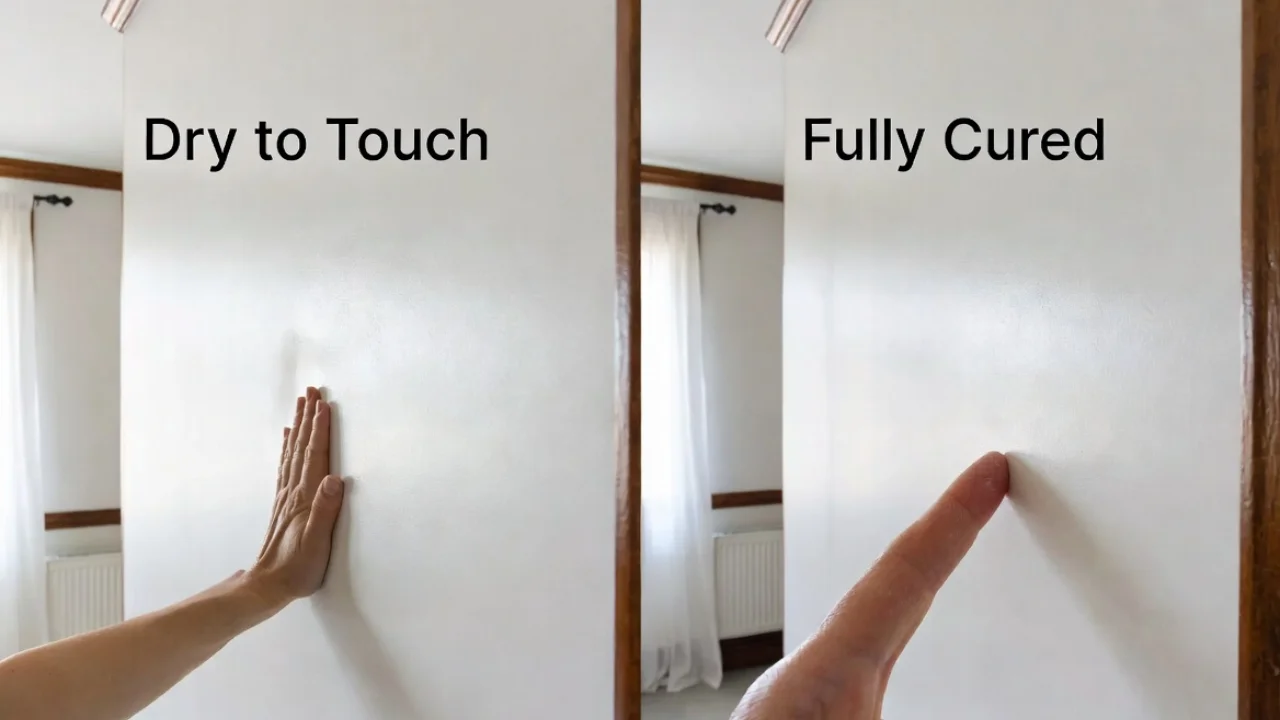
When paint feels dry to the touch, what’s really happening is the solvents evaporate from the surface layer. The paint is no longer wet, but underneath, the binders are still hardening. That process is curing, and it takes a lot longer.
Think of it this way: surface dry means you won’t smudge it with a light brush. Completely dry means the paint has reached its full hardness and won’t dent, scratch, or peel under normal use.
Here’s a simple way to test it: press your fingernail gently into an out-of-the-way spot. If it leaves a mark, the paint has not cured yet. No mark means you’re good.
How Long Does It Take Paint to Dry by Type?
Different paints have very different timelines. Here’s what to expect:
Water Based Paints (Latex / Acrylic)
- Dry to the touch: 1 to 2 hours
- Ready for second coat: 4 to 6 hours
- Cure time: 21 to 30 days
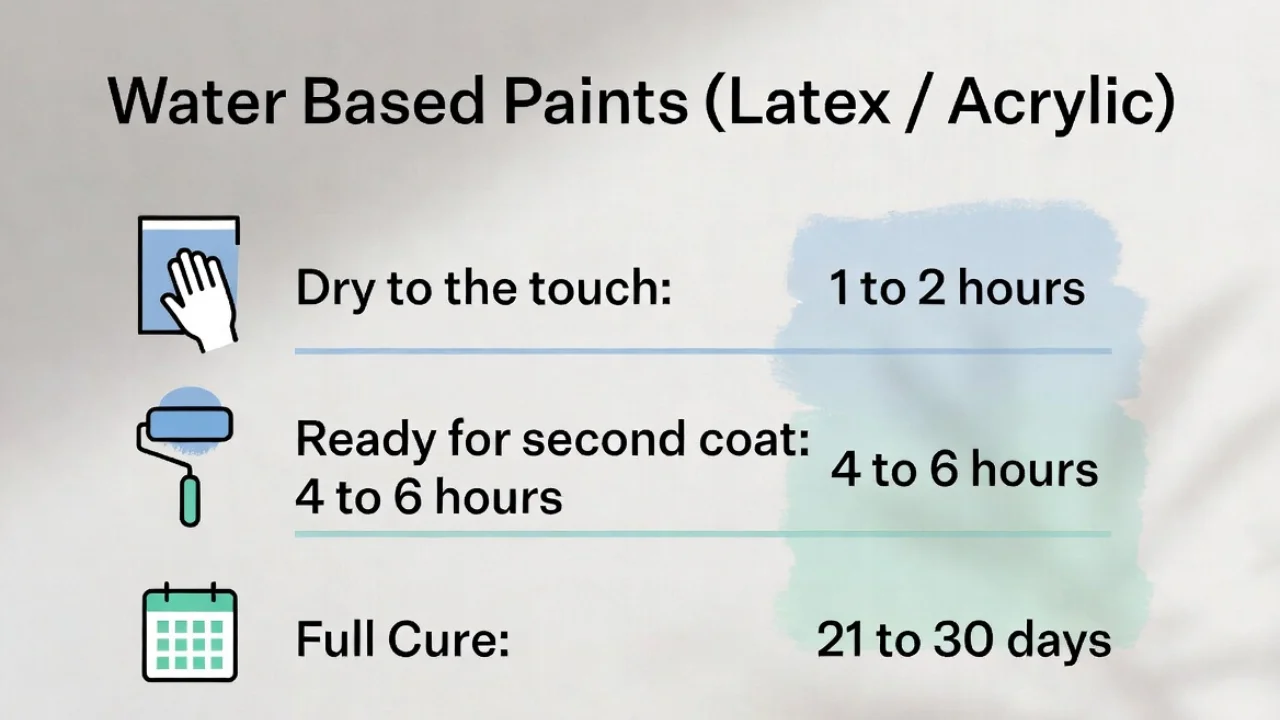
Latex paint is the go-to for most interior walls. It dries fast and cleans up with water. That said, don’t let the quick dry time fool you into moving furniture back against the wall after 24 hours. The full cure time is closer to a month.
Oil Based Paint
- Dry to the touch: 6 to 8 hours
- Ready for second coat: 24 hours
- Cure time: 3 to 7 days
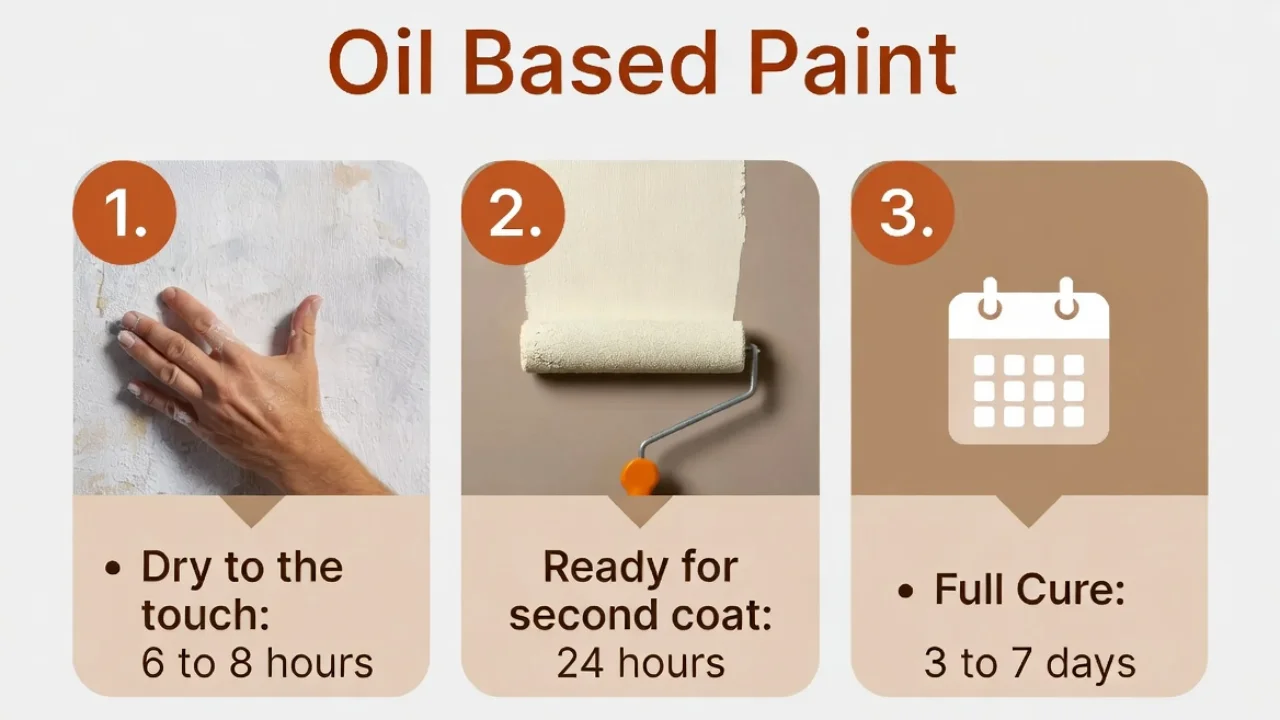
Oil based paint takes longer to dry because the solvents evaporate more slowly. The upside is a harder, more durable finish once it’s done. It’s a popular type of paint for doors, trim, and cabinets that see a lot of daily wear.
Chalk and Milk Paints
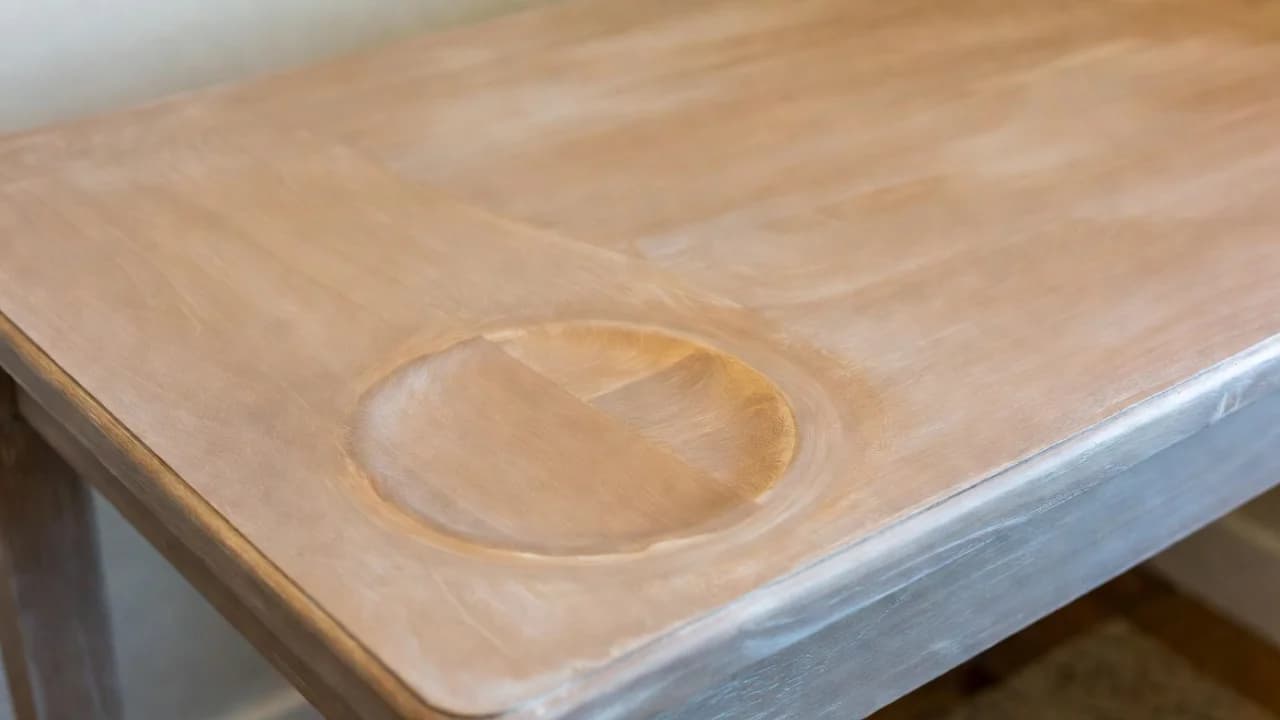
These dry fast, often in 30 to 60 minutes. But cure time is still around 30 days. People love using these on furniture, but rushing the dry-cure process is exactly how you end up with a plate-shaped dent left in your freshly painted table.
What Slows Down Paint Dry Time?
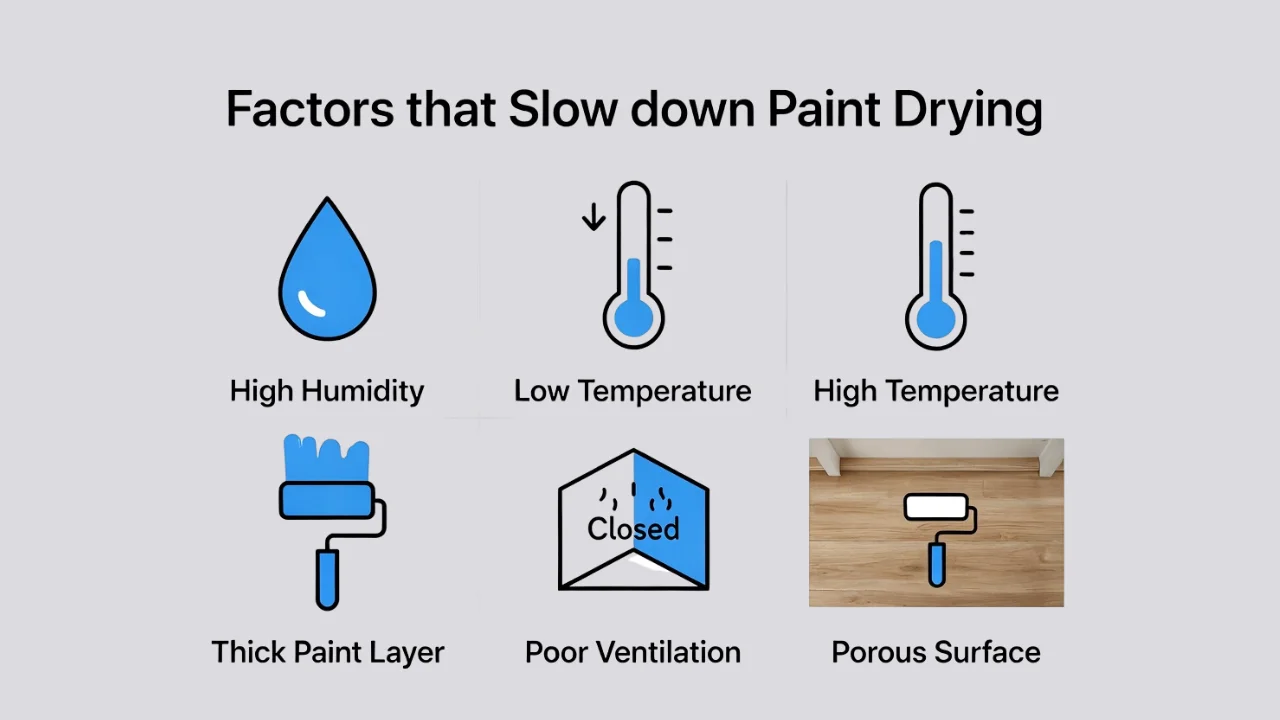
Paint dry time isn’t just about the type of paint. A bunch of other things play into it, and ignoring them can lead to a paint job that peels, streaks, or never feels quite right.
Humidity is the biggest one. When the air is heavy with moisture, water-based paints struggle to release their water content. The paint feeling dry on the surface doesn’t mean the layers underneath have dried properly. High humidity can dramatically extend cure time.
Temperature matters too. The sweet spot is between 15°C and 30°C. Too cold and the paint stays wet for much longer. Too hot and it dries unevenly, sometimes before it’s had a chance to stick properly.
Paint thickness is often overlooked. A thick coat takes much longer to dry than a thin, even layer. If you load the brush too heavily, you also risk drips and uneven drying throughout the coat.
Ventilation speeds the whole process up. Airflow helps solvents evaporate faster. Open windows if possible, or use a fan. This is especially important with oil based paint because the fumes need somewhere to go.
Surface type also plays a role. Porous surfaces like raw wood soak up more paint and take longer to dry. Metal surfaces are on the opposite end and tend to dry faster.
Tips to Help Paint Dry Faster
You can’t rush the chemistry, but you can set up the right conditions:
- Keep the room warm and dry, not hot and humid.
- Use a fan or open windows to improve airflow.
- Apply thin, even coats rather than one heavy coat.
- Prep the surface properly, including priming where needed.
- Wait the full time between coats. Applying a second coat too soon leads to streaks, peeling, and patchiness.
Mistakes People Make With Paint Drying
The most common one? Moving furniture back into place or putting objects against a wall within 24 hours. The paint might feel solid, but it isn’t. That’s why experienced professionals like interior painters in Melbourne always recommend giving paint enough time to properly cure. Anything that touches the surface during the cure window can leave permanent marks or cause the paint to stick and peel.
Another mistake is washing a painted surface too soon. Cleaning a wall that hasn’t fully cured strips away the finish. For latex paint, wait at least 30 days before scrubbing.
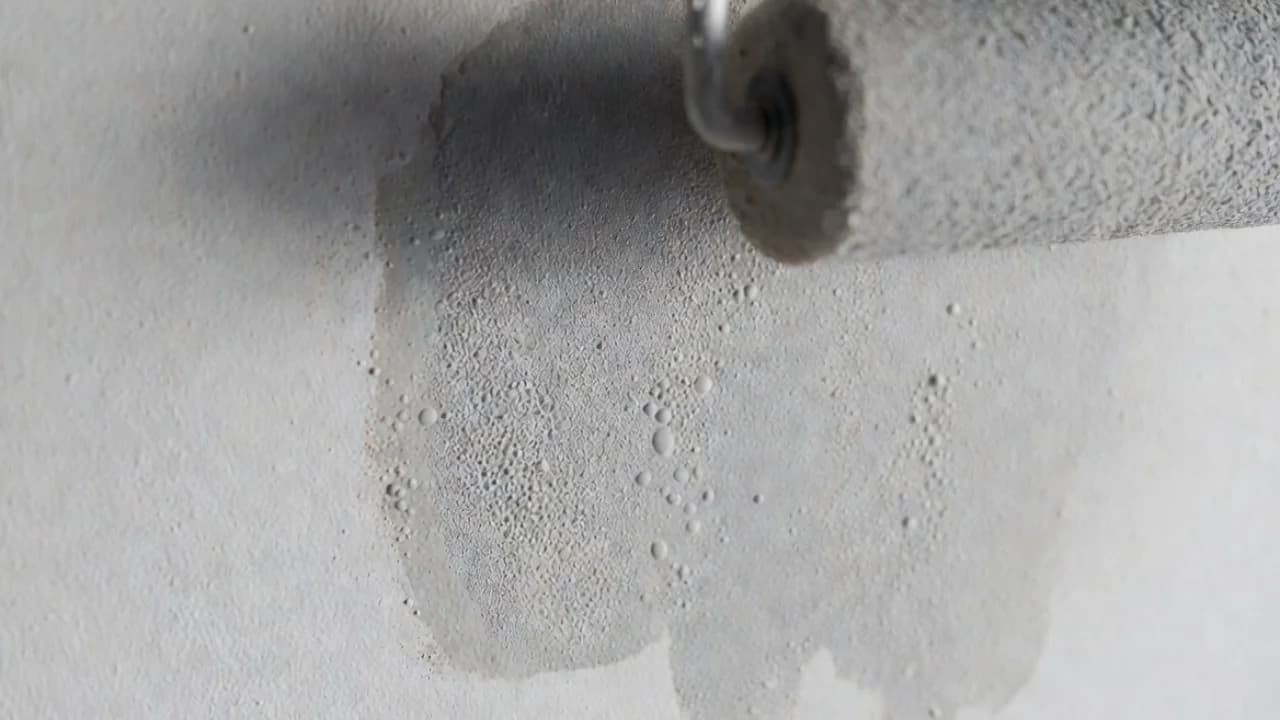
And then they apply a second coat too early. It’s tempting when the first coat looks dry after an hour. But if the paint underneath hasn’t fully dried, the second coat traps moisture and you end up with bubbling or an uneven finish.
Quick Paint Dry and Cure Time Reference
Water based / Latex paint: Touch dry in 1 to 2 hours. Recoat after 4 hours. Fully cured in 21 to 30 days.
Oil based paint: Touch dry in 6 to 8 hours. Recoat after 24 hours. Fully cured in 3 to 7 days.
Chalk paint: Touch dry in 30 to 60 minutes. Fully cured in about 30 days.
Always check the label on your specific paint tin too. Manufacturers test their formulas and their dry and recoat times are the most accurate guide for that product.
The Bottom Line
The difference between paint drying and paint curing is the difference between a paint job that holds up for years and one that chips, scratches, or sticks to your shelving. Surface dry happens fast. Completely dry takes weeks. That is why working with residential and commercial painters in Melbourne helps ensure proper application, correct drying conditions, and long-lasting results..
Give water based paints at least 30 days before heavy use. Oil based paint cures faster, usually within a week. Get the temperature, humidity, and ventilation right, and you’ll get a better result with less frustration.
And next time the paint feels dry after an hour? Leave the paint alone a bit longer. It’s worth it.

Marcus Langley
Lead Color Consultant & Senior Painter
Marcus Langley is a certified painter and color consultant with 14 years of experience transforming homes and businesses across Melbourne. He specializes in interior work, exterior coatings, and decorative finishes, and loves helping homeowners find the perfect color for every space.