How to Choose Interior Paint Colors That Transform Your Home
Choosing the right Interior Paint Colors can completely transform how your home looks and feels. Colour influences mood, light, and space perception. The right shades can make a small room feel open or add warmth to a large area.
Many homeowners choose colours based only on trends. This approach often leads to regret. A better method considers lighting, layout, and lifestyle before selecting Interior Paint Colors.
If you want a flawless finish, professional services like Interior Painting Melbourne ensure quality results. You can also explore color consultation services to confidently select Interior Paint Colors that suit your home.
Understand How Lighting Impacts Interior Paint Colors
Lighting plays a major role in how Interior Paint Colors appear. Natural light shifts throughout the day. Artificial lighting also changes colour perception.
North-facing rooms in Melbourne receive cooler light. Warm tones balance this effect beautifully. South-facing rooms feel warmer, so cooler shades work well there.
Always test sample pots before committing. Paint small sections on different walls. Many common interior paint colors look different once applied.
Soft grey may appear blue. Cream may look yellow. Testing prevents disappointment and protects your investment.
Choose Interior Paint Colors Based on Room Function
Each room serves a different purpose. Your Interior Paint Colors should reflect that purpose.
Bedrooms benefit from calming tones. Soft blue, muted green, and warm neutrals promote rest. Living rooms can handle slightly deeper shades that add personality.
Kitchens often feature popular interior paint colors such as warm white or light grey. These shades feel fresh and modern.
Bathrooms suit clean, airy tones. Many common interior paint colors like off-white and pale stone create a bright, spacious look.
Explore Popular Interior Paint Colors in Melbourne
Melbourne homes often draw inspiration from nature. Coastal whites, earthy greens, and soft greiges remain popular interior paint colors year after year.
Warm whites dominate modern interiors. They pair beautifully with timber floors and natural textures. Greige continues to grow among popular interior paint colors.
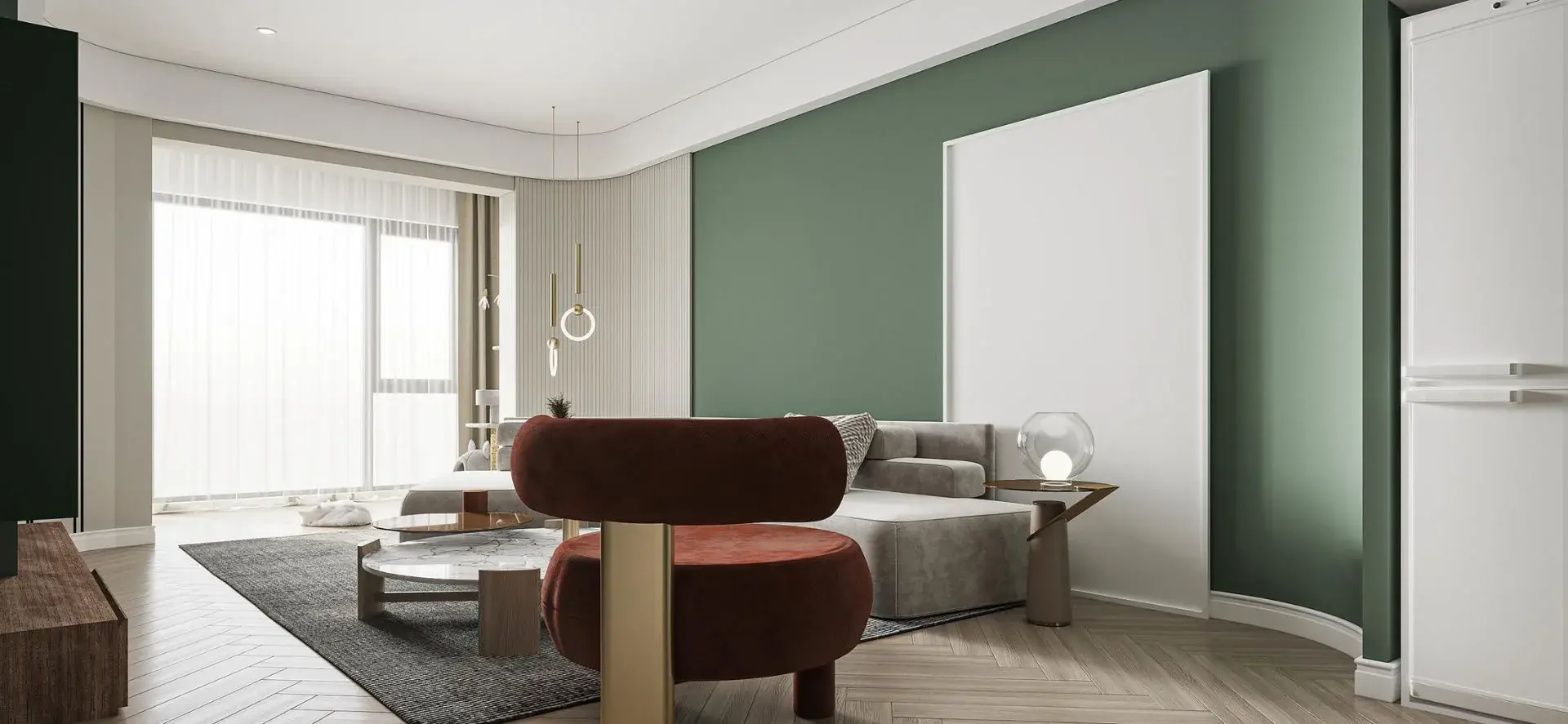
Soft sage and eucalyptus tones reflect the Melbourne landscape. These popular interior paint colors create calm and balance.
Deeper shades like navy and charcoal also rank among popular interior paint colors. Use them for feature walls or studies.
Balance Common Interior Paint Colors With Character
Neutral shades remain the foundation of many homes. Beige, white, soft grey, and cream are common interior paint colors for good reason.
They create flexibility and strong resale value. However, too much neutral can feel flat.
Add depth through trims or feature walls. For example, pair warm white walls with olive accents. This approach blends common interior paint colors with personality.
Layer textures through furniture and décor. This strategy enhances your Interior Paint Colors without overwhelming the space.
Create Harmony With Interior Paint Color Combinations
Choosing multiple shades requires careful planning. Well-balanced interior paint color combinations create cohesion.
Start with one base neutral. Add one or two complementary tones. This method produces seamless interior paint color combinations.
Open-plan homes benefit from consistent Interior Paint Colors across zones. Smooth transitions make the space feel larger.
Classic interior paint color combinations include white with charcoal, beige with navy, or sage with warm timber. These combinations feel timeless.
You can also use interior paint color combinations to define spaces without physical walls.
Use the 60-30-10 Rule for Interior Paint Colors
The 60-30-10 rule helps structure colour balance. Use one dominant shade for 60 percent of the room.
Apply a secondary tone to 30 percent. Add a bold accent to the remaining 10 percent.
This approach simplifies interior paint color combinations and maintains visual balance.
Match Interior Paint Colors With Flooring and Furniture
Flooring strongly influences your palette. Timber floors with warm undertones need compatible Interior Paint Colors.
Cool grey flooring pairs better with cooler wall tones. Ignoring undertones creates visual tension.
Large furniture pieces also matter. Choose Interior Paint Colors that complement sofas, cabinetry, and rugs.
If your home features statement décor, rely on subtle common interior paint colors for balance.
Maintain Flow Throughout Your Home
Consistency creates a cohesive look. Your Interior Paint Colors should connect from room to room.
This does not mean identical walls everywhere. Instead, choose shades within the same tonal family.
For example, use a light neutral in hallways. Transition to slightly deeper tones in bedrooms. These interior paint color combinations maintain harmony.
Avoid dramatic shifts unless you want a bold design statement.
Avoid Common Mistakes When Selecting Interior Paint Colors
Many homeowners choose shades that feel too dark. Dark tones absorb light and shrink space.
Others rely only on digital previews. Screens distort Interior Paint Colors significantly.
Ignoring ceilings causes imbalance. A bright white ceiling may clash with warm walls. Choose complementary tones to improve interior paint color combinations.
Trend-based decisions often age quickly. Classic common interior paint colors offer safer long-term appeal.
Avoid Common Mistakes When Selecting Interior Paint Colors
Many homeowners choose shades that feel too dark. Dark tones absorb light and shrink space.
Others rely only on digital previews. Screens distort Interior Paint Colors significantly.
Ignoring ceilings causes imbalance. A bright white ceiling may clash with warm walls. Choose complementary tones to improve interior paint color combinations.
Trend-based decisions often age quickly. Classic common interior paint colors offer safer long-term appeal.
Consider Paint Finish Alongside Interior Paint Colors
Finish impacts durability and appearance. Matte finishes hide imperfections well.
Low-sheen finishes suit living areas. Semi-gloss works perfectly for trims and doors.
The right finish enhances Interior Paint Colors and improves longevity.
When to Seek Professional Advice
Choosing Interior Paint Colors can feel overwhelming. Professional advice reduces stress and improves results.
Experts understand undertones and lighting conditions. They refine interior paint color combinations to suit your home.
Professional guidance ensures your popular interior paint colors align with your space and lifestyle.
Final Thoughts on Interior Paint Colors
Interior Paint Colors influence how your home feels every day. Thoughtful planning creates comfort and visual harmony.
Consider lighting, function, and flow. Blend common interior paint colors with bold accents for depth.
Explore popular interior paint colors while focusing on timeless appeal. Use balanced interior paint color combinations to unify your space.
With careful decisions, your Interior Paint Colors will transform your home into a stylish and welcoming retreat.

Marcus Langley
Lead Color Consultant & Senior Painter
Marcus Langley is a certified painter and color consultant with 14 years of experience transforming homes and businesses across Melbourne. He specializes in interior work, exterior coatings, and decorative finishes, and loves helping homeowners find the perfect color for every space.